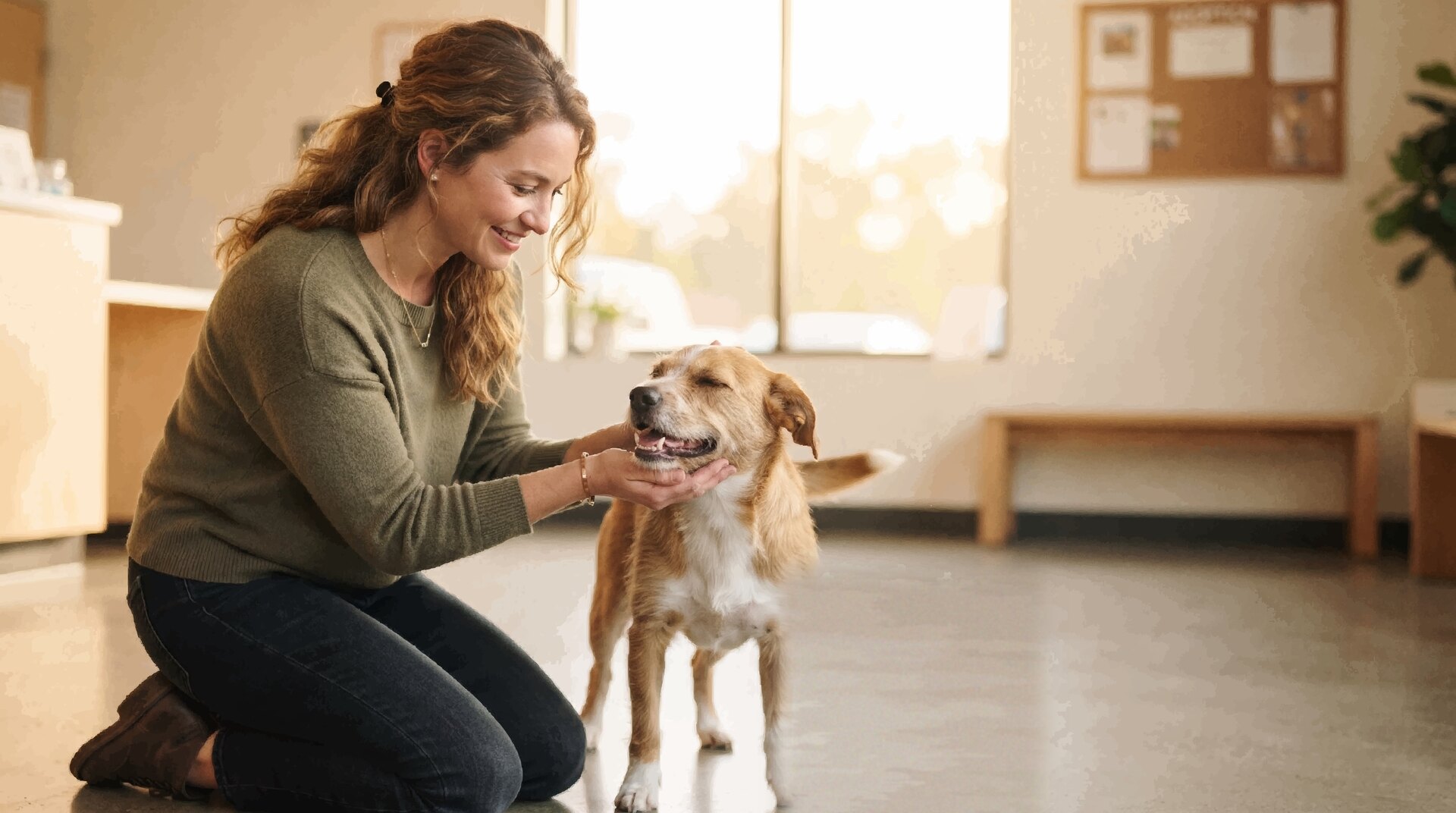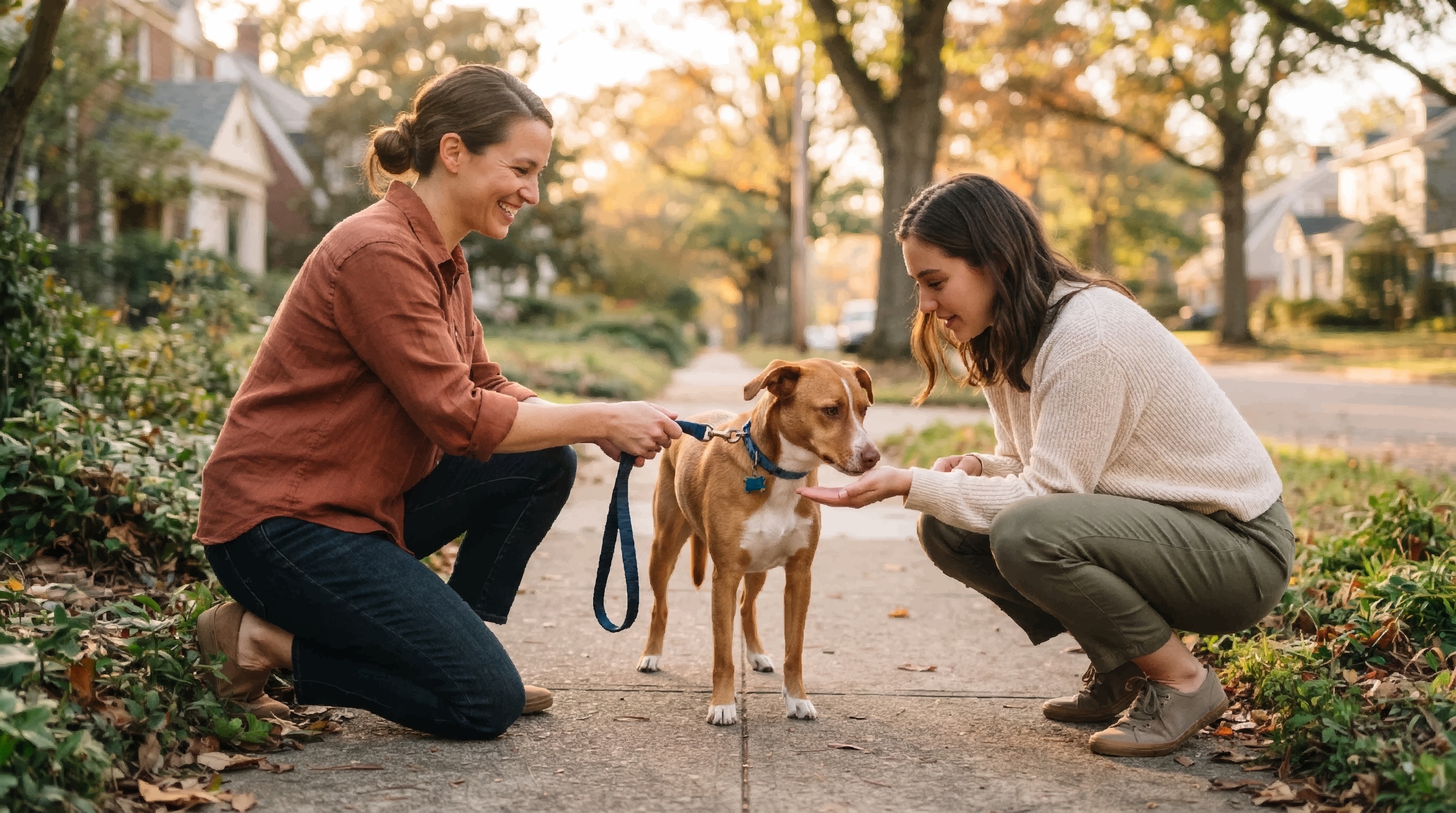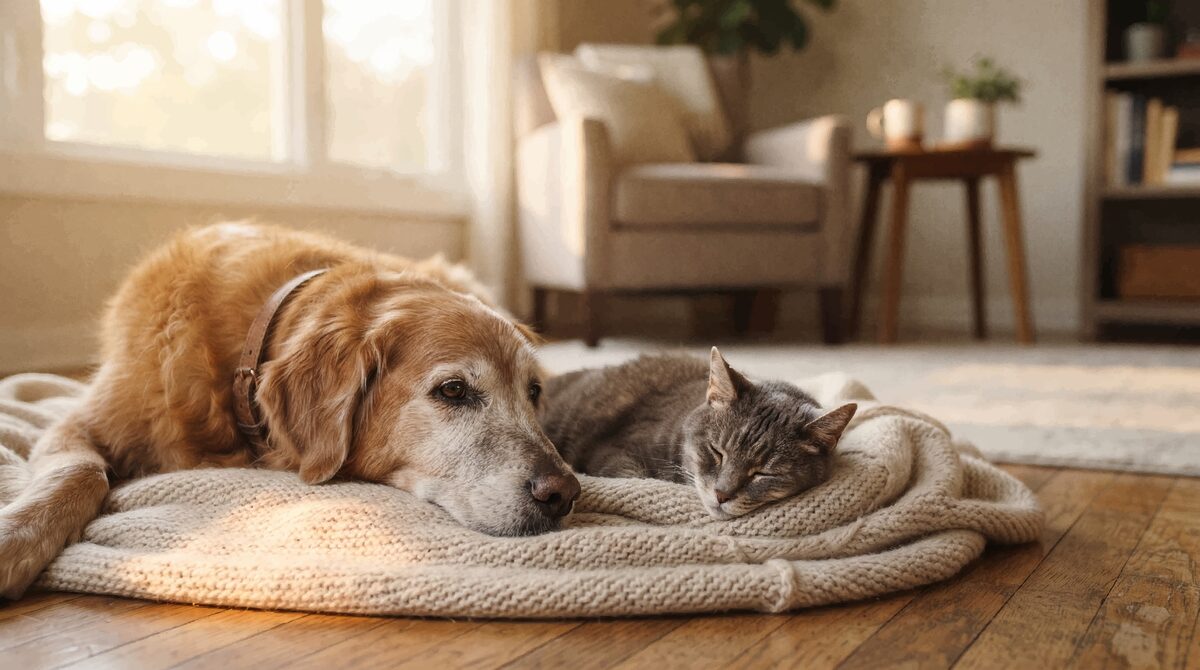
Puppies and kittens get adopted first. That's no secret to anyone who has walked through a shelter. The grey-muzzled dog in the back run and the ten-year-old cat asleep in the corner of the cat room usually wait the longest, often through no fault of their own: an owner died, moved into care, or couldn't keep up with vet bills. November is Adopt a Senior Pet Month, which makes it a good time to ask whether an older animal might suit you better than a young one. Here's what adopting a senior actually involves: the real advantages, the honest costs, and how to make the first weeks go well.
1. What Counts as a "Senior" Pet?
There's no single cut-off, and it depends heavily on size and species:
- Large and giant dogs are often considered senior from around 6 or 7, sometimes earlier for the biggest breeds.
- Medium dogs usually from around 7 or 8.
- Small dogs often not until 9 or 10, and many live well into their teens.
- Cats are generally considered senior from around 10, and indoor cats commonly live to 15 or beyond.
In practice that means a "senior" dog at a shelter may have many good years left. A healthy eight-year-old small dog could easily be with you for another six or seven. Shelters label animals senior to be honest about age, not to warn you off them.
2. Why an Older Pet Can Be the Easier Choice
What you see is what you get. An adult animal's size, coat, energy level and personality are already set. A puppy's temperament is partly a guess; a nine-year-old's is a known quantity, and shelter staff or foster carers can usually tell you a great deal about it.
Many are already house-trained and used to living in a home, especially those surrendered by owners rather than found as strays. Expect a few accidents during the move (stress does that), but you're rarely starting from zero.
Lower energy, fewer surprises. Older dogs have generally outgrown chewing, jumping and the need for hours of exercise a day. Older cats are past the curtain-climbing stage. For people who work long hours, live in an apartment, or simply want a calm companion, that's a genuine advantage, not a compromise.
They often bond quickly. Plenty of adopters say an older pet seemed to settle in and attach faster than they expected. That isn't guaranteed, and some take months, but a mature animal that has lived in a home before often knows what a home is for.
They suit older adopters. A senior pet's lifespan and energy level can fit an older person's life better than a puppy that may outlive them or pull them over on a leash. Some shelters run "seniors for seniors" programs with reduced fees for adopters over a certain age. It's worth asking.
3. The Honest Part: Costs and Health
It would be misleading to pretend a senior pet costs the same as a young one over its lifetime. It often doesn't. Going in with realistic expectations is the kindest thing you can do for the animal, because an adoption that falls apart over money puts it straight back in a shelter.
- Vet visits. Many vets recommend checkups every six months for older pets rather than once a year, often with routine bloodwork to catch kidney, thyroid or liver problems early.
- Dental care. Dental disease is extremely common in older dogs and cats. A professional cleaning under anesthesia, sometimes with extractions, is one of the most likely bills in your first year.
- Ongoing conditions. Arthritis, kidney disease in cats, and heart or thyroid conditions may mean daily medication or a prescription diet for the rest of the pet's life.
- Insurance. Pet insurance is available for older animals, but premiums are higher and conditions that already exist are usually excluded. Read the exclusions before relying on it.
On the other side of the ledger, adoption fees for seniors are often reduced or waived, and the animal will typically come already spayed or neutered, vaccinated and microchipped, which covers costs you'd pay up front with a puppy or kitten. Setting aside a modest monthly amount for vet care from day one makes the bigger bills much easier to absorb.
4. Questions to Ask Before You Adopt
Shelters and rescues generally want older animals to stay in their new homes, so they'll usually be open with you. Ask:
- Why is this pet here? An owner surrender because of a move or a death in the family tells you something very different from a stray with no history.
- What medical records exist? Ask for recent bloodwork, any diagnoses, and what the shelter vet noticed on intake.
- Is the pet on any medication now? And roughly what does it cost per month?
- How is their mobility? Can a dog manage stairs, get into a car, and walk the distance you'd like? Does an older cat use a standard litter box comfortably?
- How do they do with other animals and children? Older pets can be wonderfully tolerant, but some have had enough of boisterous company and want a quiet home.
- Is there a foster carer you can talk to? Someone who has lived with the animal can tell you more in five minutes than a kennel card can.
For the wider process (applications, meet-and-greets and what adoption fees cover), see what to expect when you adopt from a shelter.
5. Getting Your Home Ready
Most of what an older pet needs is about comfort and footing rather than toys and training gear:
- Grip on slippery floors. Hardwood and tile are hard work for stiff joints. Rugs or runners along the routes your pet uses most make a real difference.
- A supportive bed, ideally orthopedic or memory-foam, somewhere warm and away from drafts, and low enough to step into.
- Ramps or steps if you want a dog on the sofa or bed, or in the car, without jumping.
- For older cats: a litter box with a low entry side, and food, water and a favourite resting spot on the same floor so they don't have to climb to reach everything.
- Night lights in hallways if your pet's eyesight is fading, and keeping furniture where it is once they've learned the layout.
6. The First Few Weeks
Older animals can find a move just as unsettling as younger ones, sometimes more so if they've lost the only home they ever knew. A common rule of thumb is 3-3-3: roughly three days to decompress, three weeks to learn your routine, and three months to feel fully at home. Some pets move faster and some slower; the point is not to judge a new adoption on its first weekend.
- Keep the first days quiet: few visitors, short walks, and a predictable feeding schedule.
- Expect a reduced appetite for a few days, and a few toilet accidents. Neither is a sign you've made a mistake.
- Book a vet visit within the first couple of weeks, bringing the shelter's records, so your own vet has a baseline to compare against later.
- Make sure the microchip is registered to you with current contact details. A nervous older pet in an unfamiliar area can slip out of a door just as easily as a young one, and our guides to finding a lost dog and finding a lost cat are worth a read before you need them.
7. Not Ready to Commit? Consider Fostering
If the open-ended vet costs or the thought of a shorter time together gives you pause, fostering is a real way to help. Many rescues place older animals in foster homes and cover medical costs while the pet waits for an adopter. Some run "foster-to-adopt" arrangements so you can find out whether a particular pet fits before signing anything. A few run hospice fostering for very old or terminally ill animals, so they can spend their remaining time in a home instead of a kennel.
Call a few local rescues and ask what they offer. Senior-specific rescues exist in many areas and are often the ones with the most older animals in foster care.
Finding an Older Pet Near You
Most shelters and rescues have older animals waiting, even when their websites lead with puppies and kittens. Ask directly what seniors they have, including any in foster homes that may not be on display. You can find shelters and rescues near you, or browse dogs and cats available for adoption by city and state.
And if you're on the other side of this, an owner who can no longer care for an older pet, rehoming them directly can spare them a stay in a shelter, and lets you tell the next owner everything a kennel card can't.