Losing a cat feels a lot like losing a dog, but the way cats actually behave when they're scared means the search itself has to be completely different. Most owners lose precious time doing a "dog search" — driving around, calling loudly, walking widening loops — when what actually finds a lost cat is slow, quiet, and close to home. Here's how to search the way that works.
1. Understand the Cat Instinct: Hide, Don't Run
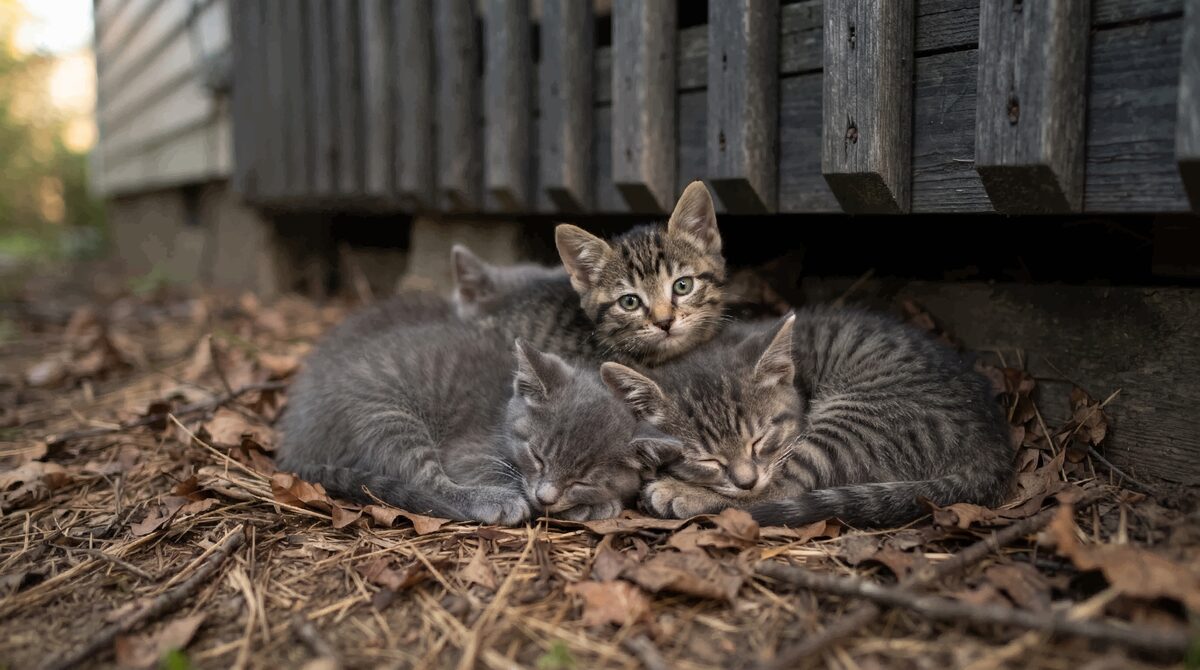
A dog that bolts tends to keep moving, often putting real distance between itself and home. A cat that bolts almost always does the opposite — it freezes, then hides in the nearest tight, dark, quiet space it can find, and stays there, sometimes for days, even while you're calling its name a few feet away. Fear, not distance, is usually what's keeping a lost cat from coming home.
2. Search Close to Home First — On Foot and Slowly
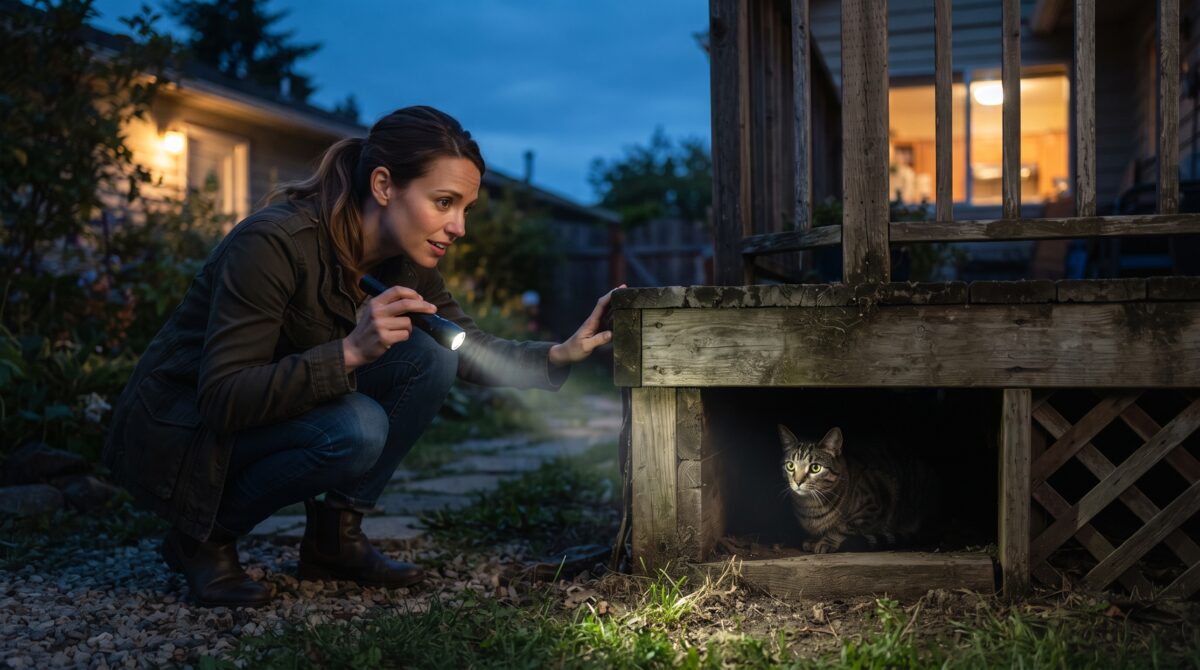
Most lost cats are hiding within about five houses of where they got out, not blocks away. Walk your own property and your immediate neighbors' yards slowly, checking under decks and porches, inside sheds and garages, under parked cars, in dense shrubs, and up into low tree branches. Bring a flashlight even during the day — you're looking into dark gaps, not open ground.
3. Search at Dusk, Dawn, and Late at Night
Cats are most active, and most likely to respond, when the neighborhood goes quiet — early morning, dusk, and especially late at night. Walk the same close-in area again during these windows, pausing every few steps to go silent and listen for a meow or rustling. A scared cat is far more likely to answer a soft, familiar voice at 11pm than to react to anything during a noisy midday search.
4. Keep It Quiet — Don't Crowd or Chase
It's tempting to recruit a big search party and call loudly, but for cats this often backfires: more people, more noise, and more chasing tends to keep a frightened cat pinned deeper in its hiding spot rather than drawing it out. One or two people searching calmly and quietly will usually get better results than a large, loud group.
5. Set Out Food, Water, and a Familiar Scent
Place a bowl of food and water, along with something that smells like home — an unwashed piece of clothing or your cat's own bedding — right at the spot where they escaped. Check it quietly and regularly rather than hovering nearby, since your presence can keep a skittish cat from approaching. A trail camera aimed at the bowl is one of the most effective low-effort tools available for confirming your cat is still in the area.
6. File a Lost Pet Report and Alert Shelters
Post a lost pet report with a clear photo and your cat's last known location — it puts your cat's information in front of anyone actively checking lost cat listings in your area, including someone who finds your cat and checks to see if they're being searched for. Call and visit local shelters directly, too: a scared, matted stray cat can look very different from your cat at home, so a phone description alone sometimes isn't enough for staff to make the connection.
7. Use a Humane Trap Once You Get a Sighting
If a neighbor spots your cat or your trail camera confirms activity but the cat won't approach you directly, a humane trap is usually far more effective than trying to chase or corner them — cats that are too frightened to come to a person will often still go for food. Bait it with something strong-smelling like tuna, set it at the exact spot of the sighting, and check it at least twice a day. Many shelters and rescues loan out traps at no cost.
8. Make Flyers, But Focus Them Tightly
Because lost cats stay so close to home, a flyer campaign works best when it's concentrated on your immediate block and the surrounding few streets rather than spread across town. Include a clear photo, your cat's name, the exact address or intersection they went missing from, and your phone number — and ask neighbors directly whether they've noticed anything unusual, like a cat hiding under a shed or acting skittish in their yard.
Most lost cats are found close to home once the search matches how they actually behave — quiet, slow, and persistent. Don't lose hope if the first few days turn up nothing: keep the food station going, keep checking at night, and keep your report active.