Adopting from a shelter is one of the best things you can do for an animal — and for most people, it's also a completely unfamiliar process. You don't just walk in and walk out with a dog. There's an application, a conversation, sometimes a home check, and almost always a wait. Knowing what's coming makes the whole thing far less intimidating, and makes you a much stronger applicant. Here's what adopting a dog or cat from a shelter actually looks like, start to finish.
1. Decide What Fits Your Actual Life, Not Your Ideal One
The single biggest reason adoptions fail is a mismatch between the pet and the adopter's real daily routine. Before you look at a single photo, be honest about a few things: how many hours a day the animal would be alone, whether you rent (and what your lease actually permits, including breed and weight restrictions), how much you can realistically spend per month, and who else lives in the home.
Then think about energy level rather than looks. A young herding-breed mix in a quiet apartment with an owner who works eleven-hour days is the classic setup for a return six months later. An older dog, a lower-energy breed, or a bonded pair of adult cats is often a far better match for a busy household — and those animals wait the longest for a home. Shelter staff would much rather help you find the right fit than process an adoption that comes back.
2. Find Shelters and Rescues Near You
Start local and start broad. Most areas have a municipal (city or county) animal shelter, one or more private humane societies or SPCAs, and a scattering of breed-specific or foster-based rescues that have no building at all. Each behaves differently, and it's worth checking all of them rather than just the first one that comes up.
You can search animal shelters and rescues by city, state, or ZIP code to see what's near you, then work through them one at a time rather than judging the whole area by whichever organization happens to rank first. If you already know you're looking for a dog or a cat, you can start from pets currently available near you instead. Listings move fast, so if a specific animal catches your eye, contact the organization the same day rather than waiting for the weekend.
3. Municipal Shelter, Humane Society, or Rescue?
These terms get used interchangeably, but the differences affect what your adoption experience will be like.
Municipal (city or county) shelters are government-run and take in every animal in their jurisdiction — strays, owner surrenders, cruelty cases. They usually have the largest selection, the lowest fees, and the fastest process, sometimes same-day. They're also the most crowded, which means their animals are frequently the most urgent.
Humane societies and SPCAs are private nonprofits, despite the official-sounding names. Fees are typically higher, but so is the level of medical and behavioral evaluation the animal has already had.
Foster-based rescues have no shelter building — their animals live in volunteers' homes. That's an enormous advantage: the foster can tell you exactly how the dog behaves with the vacuum, on a leash, alone for four hours, or around a toddler. The trade-off is a longer, more selective application process, often including a home visit and reference checks.
4. What the Adoption Process Actually Looks Like
The specifics vary, but almost every adoption follows the same shape:
The application. Expect to answer questions about your housing, your landlord, your other pets, your veterinarian, your work schedule, and who's in the household. Some rescues also ask for personal references. Fill it out completely — a half-finished application is the most common reason for a delay.
The conversation. Someone will call or meet with you to talk through the animal you're interested in. This is not an interrogation; it's a matching conversation, and it's the moment to be candid about what you can and can't handle. Overstating your experience to seem like a better applicant is how people end up with a dog they can't manage.
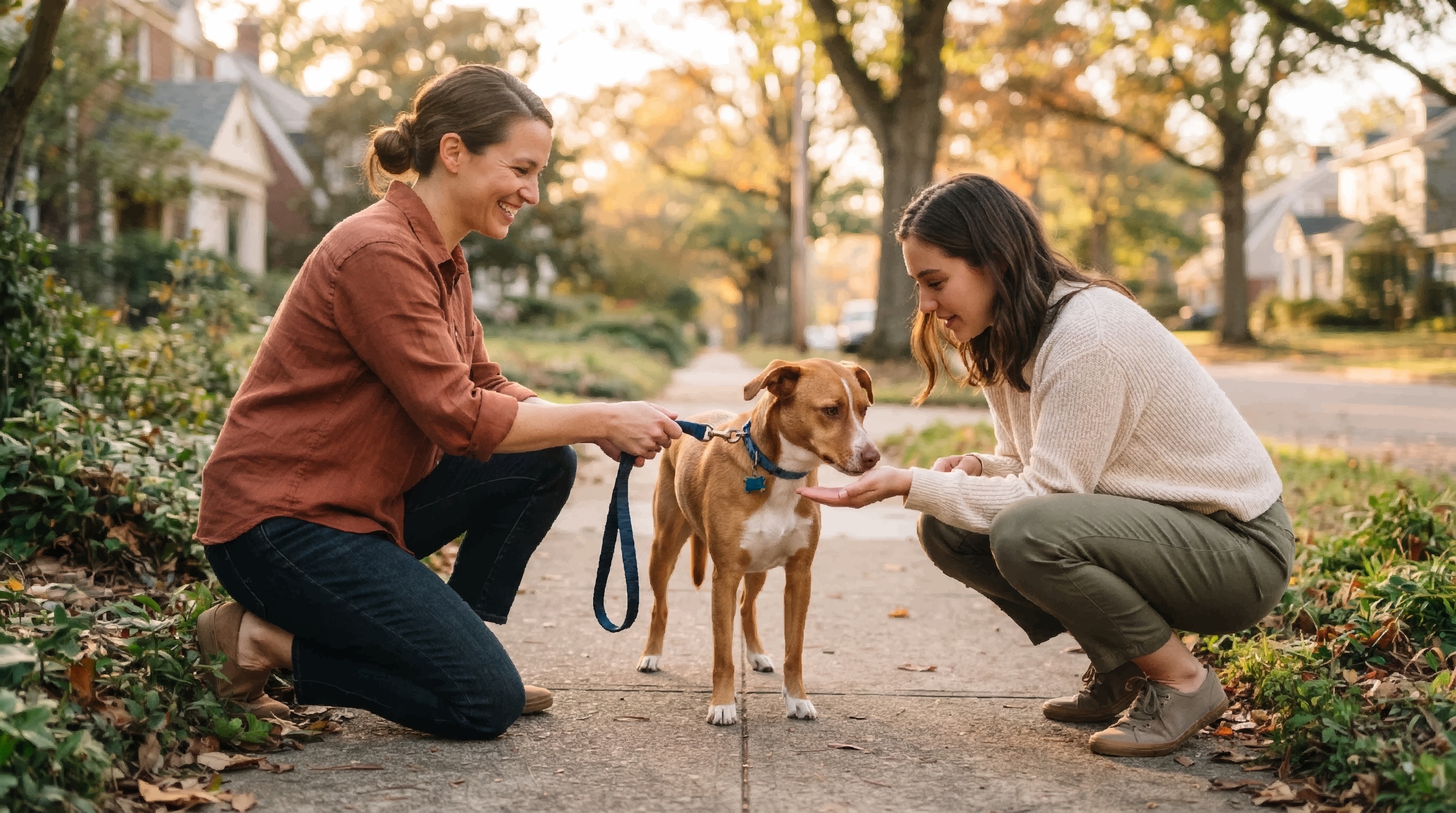
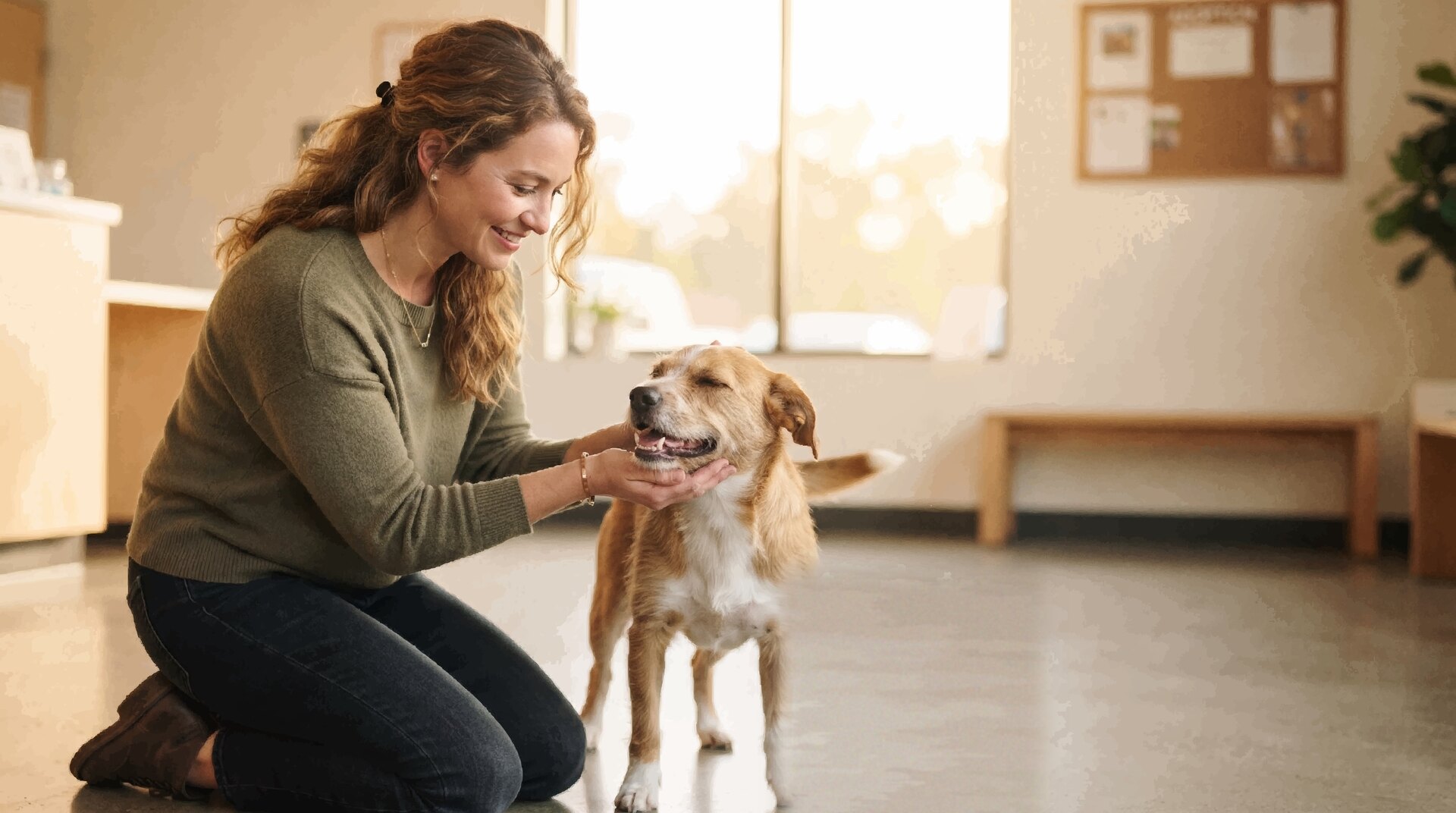
The meet-and-greet. You'll spend time with the animal, often in a dedicated room or yard. If you have a resident dog, most organizations will require a supervised introduction between the two before approving anything.
Landlord verification and home checks. Renters should expect the shelter to call their landlord. Foster-based rescues frequently do a home visit, in person or by video, mostly to confirm fencing, safety, and that everyone in the home is actually on board.
The wait. A municipal shelter might approve you the same day. A selective rescue can take one to three weeks. If a week passes with no word, a polite follow-up is completely appropriate — these organizations run on volunteers and applications genuinely get lost.
5. What Adoption Costs — and What's Included
Adoption fees generally run from about $50 to $500, with municipal shelters at the low end, humane societies in the middle, and puppies, kittens, and small purebreds at the top. The fee almost never covers what the organization actually spent on the animal — it offsets a fraction of it.
In most cases the fee already includes spay or neuter surgery, core vaccinations, a microchip, deworming and flea treatment, and a basic veterinary exam. Bought separately, that's routinely $400 to $800, which is why an adoption fee is almost always the cheaper way to bring home a healthy, already-altered pet. Ask specifically what's included before you compare fees between two organizations — a $300 fee that covers everything is a better deal than a $100 fee that doesn't.
Budget for what comes after, too: a crate, bed, bowls, leash and collar or litter box and litter, food, an initial vet visit to establish care, and monthly flea, tick, and heartworm prevention. Many shelters run reduced-fee or fee-waived events, and seniors and long-stay animals are often discounted year-round — ask, because these are rarely advertised.
6. Questions Worth Asking Before You Sign
You're allowed to interview them, too. The most useful questions are the specific ones:
- How did this animal come to you — stray, owner surrender, transfer?
- How long have they been here, and how have they changed in that time?
- What's their known history with children, dogs, and cats?
- Any diagnosed medical conditions, ongoing medication, or known behavioral concerns?
- Are they house-trained or litter-trained, as far as you know?
- What's your return policy if the placement genuinely doesn't work?
A good organization will answer all of these plainly, including the unflattering parts, and will tell you honestly when they don't know. Vagueness about a bite history or a medical issue is a real warning sign. And note that nearly every reputable shelter and rescue wants the animal back rather than rehomed by you privately if things fall apart — that's a feature, not a red flag.
Adopting a Dog From a Shelter
With dogs, the fit question is mostly about energy and time. Ask how much daily exercise the dog actually needs, not what breed they resemble — a mislabeled "lab mix" that's really part cattle dog will run circles around your expectations. Ask how they do alone, since separation anxiety is one of the most common reasons adopted dogs are returned, and it's much easier to plan for when you know about it in advance.
If you already have a dog, insist on the meet-and-greet and pay attention to the whole interaction, not just the first sniff. Two dogs that are polite on neutral ground can still clash at home over a couch or a food bowl, so ask the shelter how they'd recommend structuring the first two weeks — separate feeding, separate spaces, and no unsupervised time together at the start is standard advice.
Also be realistic about kennel behavior. A shelter kennel is loud, bright, and stressful, and many dogs present as either frantic or shut down there while behaving completely differently in a home. Ask staff or volunteers what the dog is like on a walk or in a quiet room — that's much closer to who you'd actually be living with.
Adopting a Cat From a Shelter
Cats are far less legible in a shelter than dogs are. A cat pressed to the back of a cage is very often a perfectly social cat having a terrible week, so ask the staff or foster how the cat behaves when the room is quiet and empty. Time out of the cage in a get-acquainted room tells you far more than the cage itself.
Settle the indoor-versus-outdoor question up front, and ask about declaw status, since a declawed cat should never be placed in a home planning to let them outside. If you have a resident cat, plan for a proper introduction — a closed door and scent swapping over one to two weeks, not both cats in a room together on day one — and ask what litter and food the cat is currently using so you can avoid changing everything at once.
Consider a bonded pair. Two cats that are already attached are frequently easier than one, since they entertain each other, and shelters often adopt them out for close to the price of a single cat because they're so much harder to place. Kittens in particular do noticeably better in pairs than alone.
The First Days Home: The 3-3-3 Rule
Shelter staff use a rough rule of thumb for decompression, and it saves a lot of new adopters from panic: roughly three days feeling overwhelmed and shut down (hiding, not eating much, sleeping a great deal), roughly three weeks settling in and beginning to test the routine — which is often when the first real behavior issues surface — and roughly three months before the animal genuinely feels at home and shows you their full personality.
Practically, that means keeping the first week deliberately boring. Skip the welcome party, keep to a predictable schedule, limit the animal to one room or a small area at first, and let them come to you. Cats especially should start in a single quiet room with their litter box, food, and a hiding spot rather than the run of the house. If you're bringing home a dog, have everything ready before they arrive — the first day is not the day to be shopping for a crate.
Schedule a vet visit within the first week or two even if the shelter already did an exam. It establishes care, catches anything the shelter's screening missed, and gives you a professional to call when something seems off at 9pm on a Sunday.
If It Isn't Working
Some placements genuinely don't work out, and the important thing is to raise it early rather than wait until everyone is miserable. Call the shelter or rescue first — many will coach you through a behavior problem, connect you to a trainer, or take the animal back without judgment, and most adoption contracts specifically require that they get the first opportunity. If you're past that window and looking at your options, rehoming carefully and responsibly is far better than a rushed handoff.
One situation worth knowing about in advance: shelters can't always tell that an animal is pregnant at intake, so a small number of adopters end up with a litter they didn't plan for. If that happens, tell the shelter — many will help, and some will take the litter back into their own adoption program. If you'd rather place them yourself, Pet Adoption listings are built for exactly that: the whole litter goes up as a single listing with a photo gallery, rather than making you post each puppy or kitten separately.
Adopting from a shelter takes more paperwork and more patience than buying a pet, and that friction is mostly there for the animal's benefit — and yours. Go in knowing what your life can actually support, ask direct questions, and give the animal three months rather than three days to become themselves. When you're ready to start, browse adoptable pets near you or find an animal shelter in your area.