The first hour after your dog goes missing matters more than almost anything else you'll do during the search. Panic is normal, but a calm, methodical approach in those early minutes dramatically increases the odds of a fast reunion. Here is exactly what to do, in order.
1. Search the Immediate Area First — Calmly
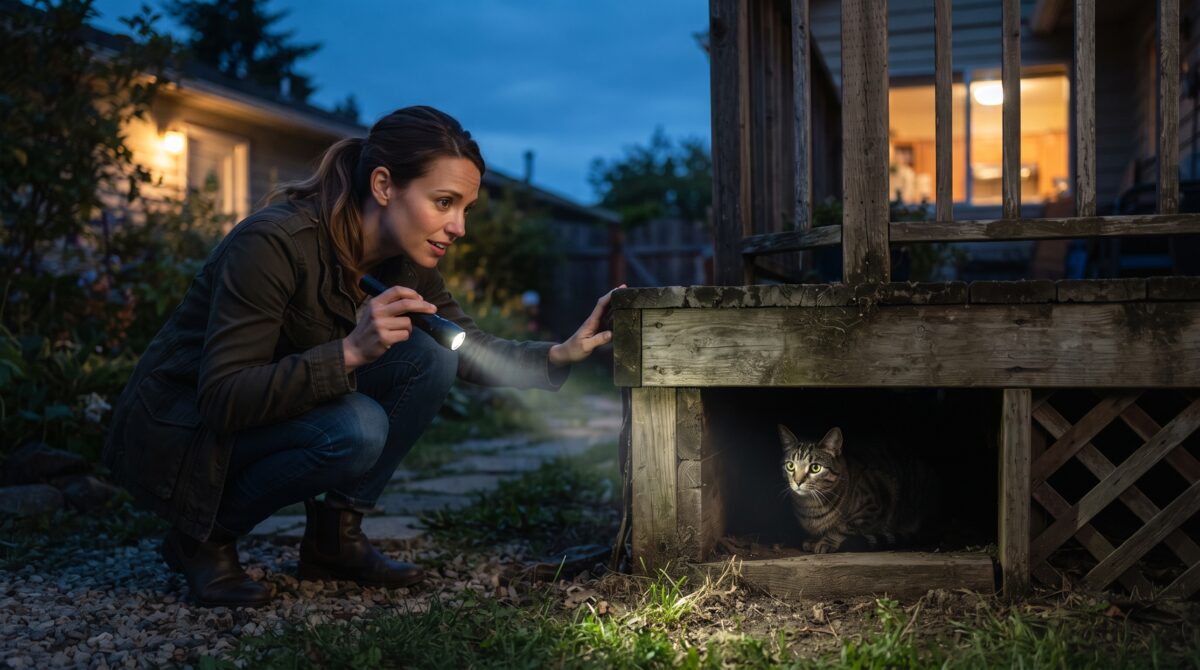
Before you widen your search, walk the yard, street, and any nearby hiding spots slowly and quietly. Check under porches, decks, parked cars, and dense bushes. Scared dogs often don't run far — they hide. Loud calling and chasing can actually push a frightened dog farther away, so start with a calm, quiet sweep rather than a frantic one.
If you spot your dog, resist the urge to run at them. Crouch down, avoid direct eye contact, and call them in a happy, familiar voice. Sitting down and going quiet can also work — many dogs will cautiously approach on their own once the perceived chase is over.
2. Alert Your Neighbors Right Away
Knock on doors within a few blocks and ask neighbors to check garages, sheds, and yards, and to keep an eye out over the next few days. Mail carriers, delivery drivers, and dog walkers cover a lot of ground and are often the first to spot a loose dog — a quick description and your phone number goes a long way.
3. File a Lost Pet Report
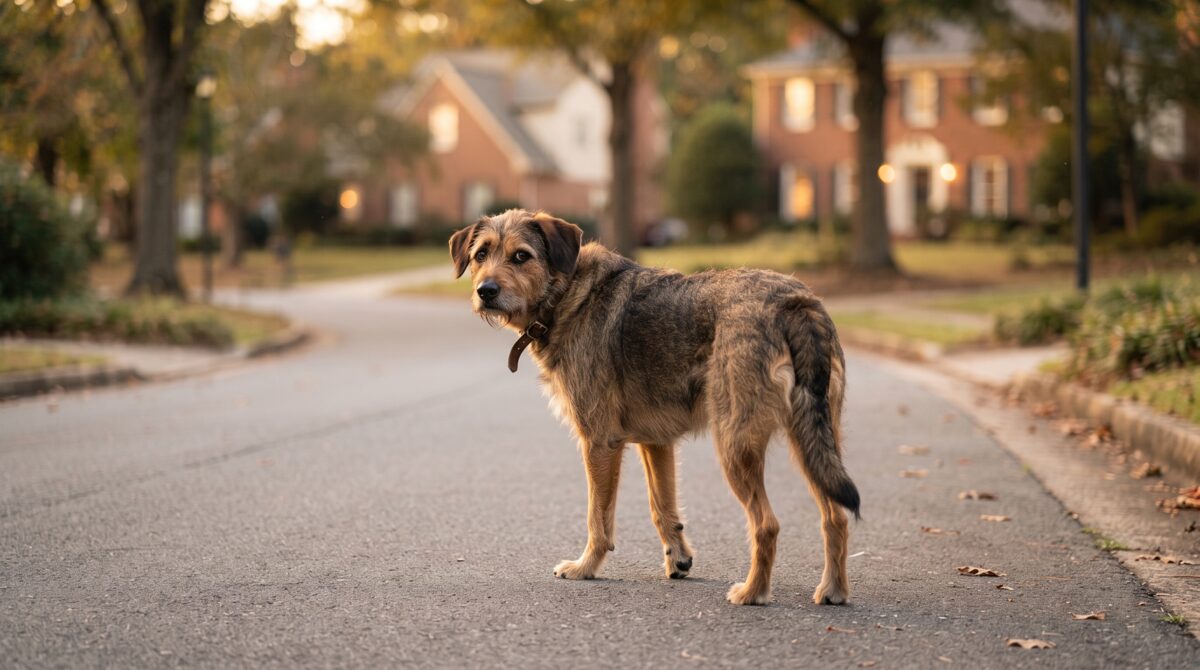
Post a lost pet report with a clear photo, your dog's last known location, and identifying details like collar color, microchip status, and any distinctive markings. A report gets your dog's information in front of people actively searching lost dog listings in your area — including anyone who finds your dog and checks to see if someone is looking for them.
4. Call and Visit Local Shelters and Vet Clinics
Call every animal shelter and emergency vet clinic within a 10-15 mile radius, and follow up with an in-person visit within a day or two if possible. Dogs picked up as strays can look different in a shelter environment than they do at home — matted, muddy, or simply too scared to respond to their name — so a phone description alone sometimes isn't enough to make a match. Ask each shelter how often they update their intake records and whether they can flag your dog's description for staff.
5. Make and Post Flyers
A simple flyer with a large, clear photo, your dog's name, the area they went missing from, and your phone number is still one of the most effective tools available. Post them at intersections near where your dog was lost, at vet offices, pet supply stores, and community mailboxes. Keep the text minimal — people need to read it at a glance while driving or walking by.
6. Use Scent and Familiar Items
Leaving an item with your scent — an unwashed t-shirt or your dog's bed — outside your home can help guide a dog back if they're circling the area. Some owners also leave out a bowl of food and water near where the dog was last seen, checking it periodically (and setting up a trail camera if you have one) rather than waiting nearby, since a human presence can sometimes keep a skittish dog from approaching.
7. Widen Your Search Gradually
If the first day doesn't turn up a sighting, expand your search radius outward in stages rather than randomly. Check social media groups for lost pets in your city, post in neighborhood apps, and continue calling shelters daily — new intakes happen every day, and persistence is often what makes the difference between a dog found in two days versus two weeks.
Most importantly: don't give up early. Dogs have been reunited with their owners weeks and even months after going missing. Keep your report active, keep checking shelters, and keep spreading the word.