Sometimes, despite your best intentions, keeping a pet stops being possible — a move, an allergy, a health crisis, or a mismatch that training couldn't fix. Rehoming isn't a failure; it's a responsibility, and doing it well is what actually protects your pet. Here's how to rehome a dog or cat the right way, from ruling out the alternatives to handing over the leash for the last time.
1. Rule Out the Alternatives First
Before you commit to rehoming, make sure it's really the only option. A behavior problem is often fixable with a trainer or a vet visit (pain and anxiety both show up as "bad behavior"). A financial crunch might be solved by a local shelter's pet food pantry or low-cost vet clinic — many shelters would rather help you keep your pet than take them in. And if the issue is temporary, like a short-term move or a medical recovery, a trusted friend or a short-term foster may get you through it without giving your pet up at all.
2. Skip "Free to a Good Home"
A free, no-questions-asked listing is the single riskiest way to rehome a pet. It attracts people looking for free animals to resell, use as bait, or flip for profit — not necessarily anyone who intends to give your pet a stable home. A small rehoming fee (most owners charge somewhere between $25 and $100) does real work here: it filters out anyone who isn't serious, and it creates a paper trail if anything about the handoff ever needs to be revisited.
3. Write a Listing That Attracts the Right Home
Good photos and an honest temperament description matter more than a sales pitch. Say plainly whether your pet is good with kids, other dogs, or cats, whether they're house-trained, and what kind of home they'd thrive in — an active family with a yard, a quiet apartment, an experienced adopter. Include their medical history, vaccination records, and any behavioral notes up front; it saves everyone time and builds trust with a serious adopter before you've even spoken. You can list your pet on our Rehome platform to get a listing like this in front of people already searching for a pet in your area — or, if you're rehoming a full litter rather than a single pet, Pet Adoption listings are built for exactly that.
4. Vet Potential Adopters Like a Shelter Would
Treat every inquiry the way a shelter would treat an adoption application. Ask about their living situation (own or rent, and whether pets are actually allowed), whether they have other animals, their experience with the breed or species, and who else is in the home. A legitimate adopter won't be put off by a few thoughtful questions — someone who is cagey or rushes you to hand the pet over immediately is exactly the person those questions are meant to catch.
5. Meet in Person Before You Commit
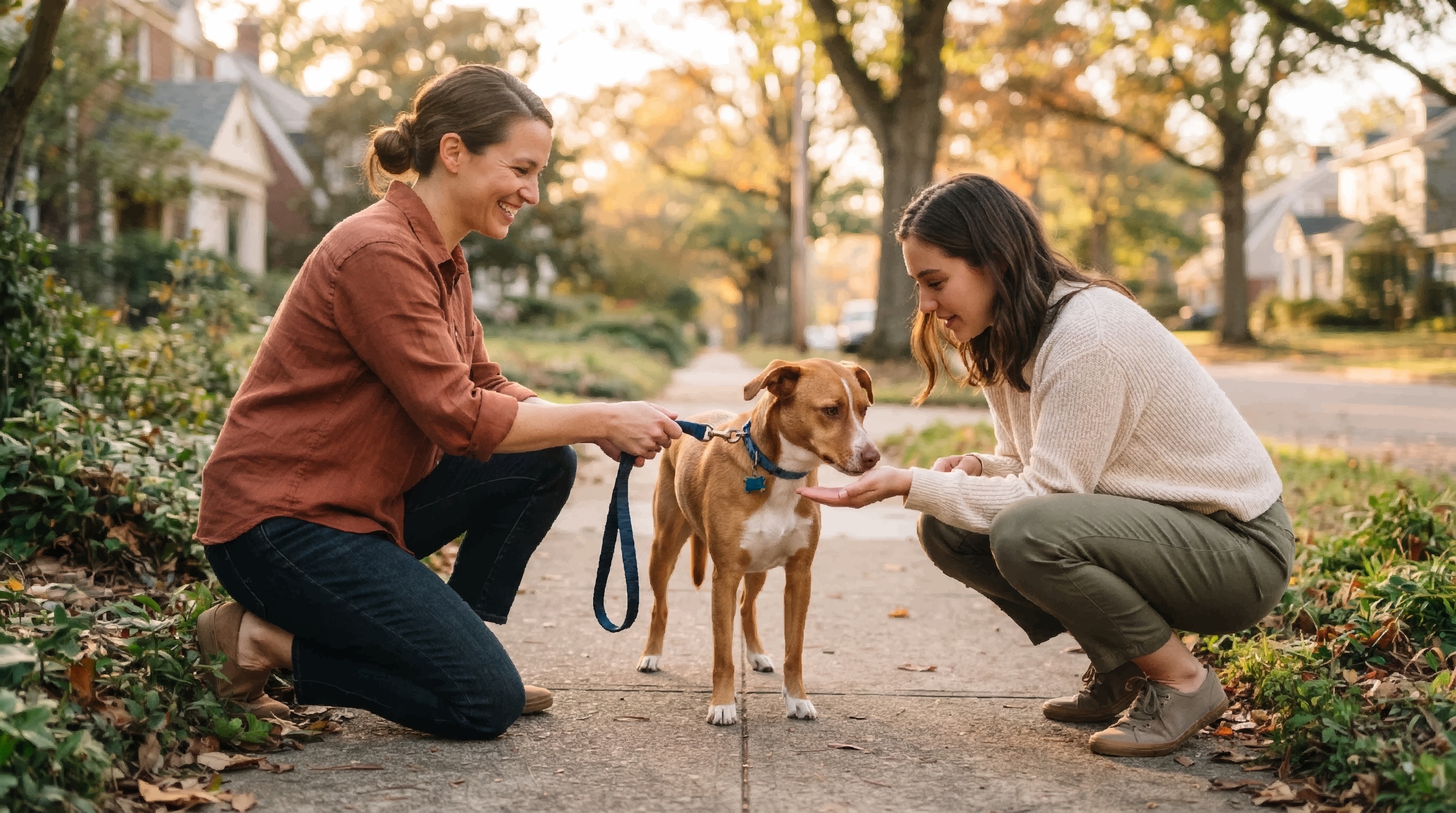
Whenever possible, meet the adopter — and everyone in their household, including any current pets — in person before the handoff, ideally somewhere neutral like a park before moving to their home. Watch how they interact with your pet, not just how they answer your questions. If a home visit isn't practical, a video call is a reasonable substitute for at least seeing where your pet would be living.
6. Send Them Off With What They Know
A pet's transition goes smoother with something familiar. Send along their current food (switching cold turkey can cause stomach upset), a blanket or toy that smells like home, their leash and collar, and a written note covering their feeding schedule, routines, and any quirks — what scares them, what calms them down, what their favorite game is. Hand over vaccination records and any medical history you have, and offer to be reachable for questions during the first few weeks.
7. Have a Backup Plan
Not every rehoming attempt turns up the right adopter right away, and that's alright — don't feel pressured into placing your pet with the first person who responds just to be done with the process. If you're running out of time or options, find a shelter or rescue near you and call ahead; many will talk through options with you, including temporary boarding, before intake. It's a harder route than a private rehome, but it's a real safety net, not a last resort to be ashamed of.
How to Rehome a Dog
The seven steps above apply to any pet, but a few things are specific to dogs. Screen for the home's actual daily rhythm rather than their good intentions — a high-energy working breed placed with someone who is out of the house eleven hours a day will be back on a listing within months. Ask directly how many hours the dog would be alone, whether the yard is fenced, and who walks them.
If the adopter already has a dog, insist on a meet-and-greet on neutral ground — a park or a quiet street rather than either home — with both dogs leashed and a slow, parallel walk before any face-to-face greeting. Two dogs that seem fine in a driveway can still clash once one of them is defending a couch. Be honest about resource guarding, leash reactivity, or a history with cats or small children; a home that knows what it's taking on is far more likely to stick.
How to Rehome a Cat
Cats are rehomed less often than dogs and the process looks different. The biggest question to settle up front is indoor versus outdoor: a cat who has never gone outside should not be placed with someone planning to let them roam, and an indoor-outdoor cat confined to an apartment will need a real enrichment plan. Ask what the adopter intends, not what they assume.
Ask about existing cats and how the introduction would be handled — a proper introduction is done through a closed door over one to two weeks, not by putting two cats in a room together. Send along the litter they already use and a scoop of their used litter, since an abrupt substrate change is one of the most common causes of a cat missing the box in a new home. If your cats are bonded, place them together; splitting a bonded pair often produces the exact behavioral problems that get a cat returned. And if the cat is declawed, say so up front — it rules out an outdoor home entirely.
Rehoming a pet you love is genuinely hard, and doing it carefully — ruling out alternatives, screening adopters, and making the handoff as gentle as possible — is exactly what gives them the best shot at a good next chapter. If you're ready to get started, learn more about rehoming on AnimalShelter.net.