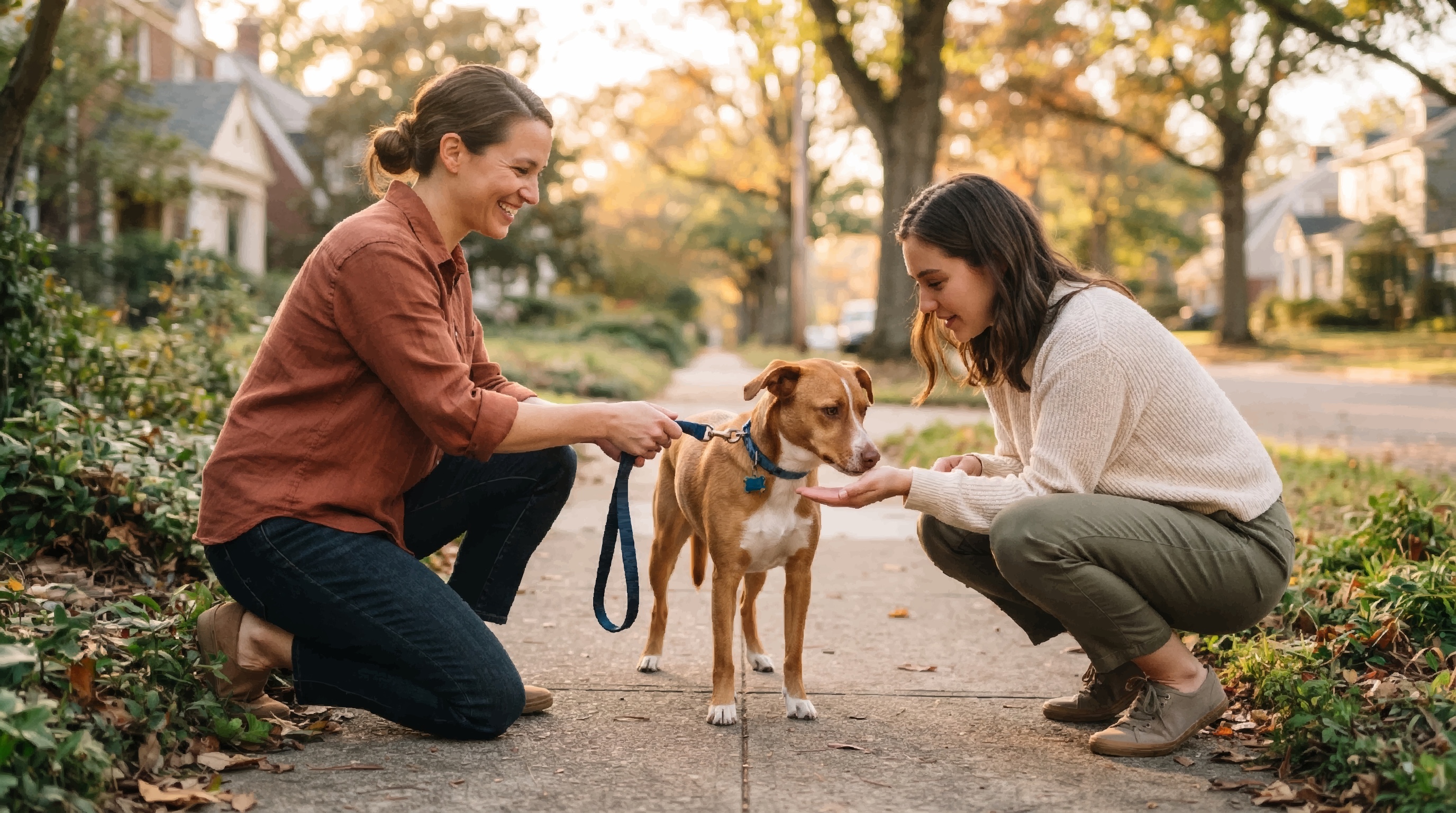
Giving up a pet is rarely something anyone wants to do. A move, a new baby, an illness or a change in money can leave you with no good way to keep a dog or cat you love. If you're here, you're already doing the right thing by looking into it properly. Surrendering your pet to a shelter or rescue is one option, and it isn't the only one. Here's how surrender works, what it usually costs, what to bring, and how to find your pet a new home yourself if you'd rather stay involved.
1. What "Surrendering a Pet" Means
Surrendering a pet means signing ownership over to an animal shelter, a rescue or your local animal services agency. From that point, the organization is responsible for your pet's care and for finding the next home.
It is usually permanent. You'll sign a form transferring ownership, and in most cases you can't change your mind later and expect your pet back. Some organizations allow a short window to reconsider, but many don't, so ask before you sign.
Found a stray instead? That's a different process, because the pet may have an owner looking for them. Our guide to finding a stray dog or cat explains what to do.
2. First, Check Whether the Problem Can Be Solved
Many owners who look into surrender are dealing with something that has a fix, or that won't last forever. It's worth one or two phone calls before you decide. Shelters and rescues often help with exactly these situations, and many will gladly talk it through with you.
- Money: ask local shelters about pet food pantries, low-cost vet clinics and help with vet bills. Many areas have them.
- Housing: ask your landlord whether a pet reference, a vet record or a pet deposit would help. If you're moving, search for pet-friendly rentals before you decide.
- Behavior: start with a vet visit, since pain can show up as growling, house soiling or other sudden changes. After that, a trainer can often help.
- A short-term crisis: if you're facing a hospital stay, a deployment or a temporary move, ask friends and family, or ask a local rescue about short-term foster care.
3. Shelter Surrender or Rehoming It Yourself?
If you've decided your pet needs a new home, there are two main routes. Both are responsible choices. The right one depends on your timing and on how involved you want to be.
- Shelter or rescue surrender: the organization takes on the care, the screening and the adoption. You hand over ownership, and they make the decisions from there.
- Rehoming it yourself: your pet stays with you, in familiar surroundings, while you look for the right person. You meet the people interested, ask your own questions, and choose where your pet goes.
If you have a few weeks, rehoming it yourself is worth trying first. Nobody knows your pet better than you do, so nobody can describe them more honestly to a future family. You can tell people how your dog behaves around kids or that your cat prefers a quiet home, and you get to meet them in person. Our guide to rehoming a pet the right way walks through screening people and handling the handoff.
On AnimalShelter.net you can post your pet for rehoming for a one-time $14.95. Your post stays live for a full year unless you take it down, it shows to people looking to adopt near you, and it goes into our weekly adoption email to people in your city who've signed up. People interested message you through the site, and you decide who's the right fit. If you're placing a whole litter, post for adoption instead.
4. How the Surrender Process Usually Works
Every organization has its own process, but most follow the same few steps:
- Find the right organization. City and county animal services usually serve people who live in their area. Private shelters and rescues set their own rules, and some focus on one breed, species or age. Start by finding the shelters and rescues near you.
- Call or fill in the form first. Don't just turn up. Most places take pets by appointment so they can plan for each arrival, and many ask you to complete a form about your pet ahead of time.
- Expect a wait. The first available appointment may be days or weeks away, so contact them as early as you can. If your move or deadline is close, tell them right away.
- Bring your pet in. Staff will go through the paperwork with you, ask about your pet's history and habits, and have you sign the transfer of ownership.
- What happens next. Your pet will usually have a health check and any vaccinations they need before the organization works on finding them a new home.
Rescues that use foster homes may ask you to keep your pet until a foster spot opens up. That's normal, and it's also a useful stretch of time to look for a home yourself.
5. What Surrendering a Pet Costs
Many shelters and rescues charge a surrender fee to help cover care. Fees vary a lot by area and by organization, from nothing at all to around $100 or more, and they're often higher for a litter or for a pet with medical needs. Some places charge less if your pet is fully vaccinated and spayed or neutered, or waive the fee if money is the reason you can't keep your pet.
Ask about the fee when you first call, including how it can be paid. If it's a problem, say so. It's a conversation they have often.
6. What to Bring and What to Tell Them
The more the organization knows, the better it can match your pet with the right home. Gather these before your appointment:
- Proof that you own the pet, along with your photo ID. Adoption papers or vet records usually work.
- Vet records, including vaccinations, spay or neuter details, and any medications.
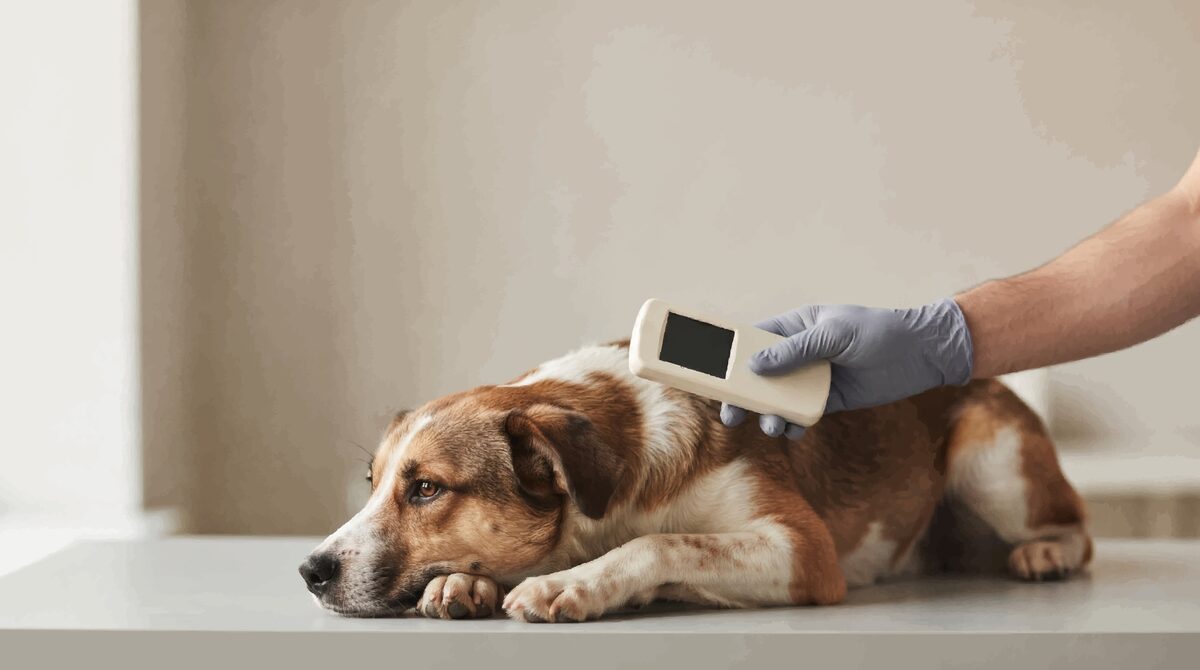
- The microchip number, so the record can be updated. Our guide to pet microchips explains how transfers work.
- A few familiar things, if they're accepted, such as a favorite toy, a blanket and some of their current food.
- A short written note about your pet: their routine, what they love, what worries them, and how they do with kids, dogs and cats.
Be completely honest. It can feel tempting to leave out a habit like barking at visitors or guarding food, but that detail is what helps someone choose a home that suits your pet.
7. Questions to Ask Before You Commit
A good organization will be happy to answer these. Write the answers down, since you'll probably be calling more than one place.
- Do I need an appointment, and how soon can you take my pet?
- Is there a surrender fee, and can it be reduced?
- What paperwork and records do you need?
- Do you take pets from outside your area?
- Can bonded pets stay together?
- Is there any time to change my mind after I sign?
- Can I share my pet's routine and history with whoever adopts them?
- Do you offer anything that could help me keep my pet instead?
8. If You're Short on Time
A deadline makes this much harder, but a few steps can buy you time:
- Call several organizations, not just the closest one, and ask to be put on any waiting list they have.
- Post your pet while you wait. A waiting list doesn't stop you from posting your pet for rehoming at the same time. If you find the right person first, just cancel the appointment.
- Ask friends, family and coworkers whether anyone could foster for a few weeks, or knows someone looking for a pet.
- Check local boarding if you need a place for a short stretch between homes.
Never leave a pet outside a shelter or let them loose. Abandoning a pet is illegal in most places, and a pet left alone can easily be hurt or go missing. If you're stuck, call your local animal services agency and explain what's happening.
9. Making the Goodbye Easier
However you go about it, saying goodbye is hard, and feeling guilty or sad is normal. A few small things can help you and your pet:
- Keep their routine steady until the day itself, with the same meals, walks and bedtime.
- Be honest with children. Explain in simple words that your pet is going to a new home and why, and give them a chance to say goodbye.
- Keep the handoff calm and short. Long goodbyes tend to be harder on everyone, including your pet.
Whoever takes your pet next will have their own settling-in period. Our guides to preparing for a new dog and the first week with a new cat are worth passing along.
Find Your Pet's Next Home
If you'd like to choose your pet's next home yourself, post your pet on AnimalShelter.net. It takes a few minutes, and people interested in your pet message you directly. If a shelter or rescue is the better fit, find the ones near you and call ahead to ask about their next steps.