About the Highlander
The Highlander is a young American breed, first developed in the early 2000s and originally known as the Highland Lynx. Breeders set out to create a cat with a wild, lynx-like appearance, though the breed comes entirely from domestic cats, including lines with curled ears and naturally short tails. The International Cat Association recognizes it, while several other registries do not.
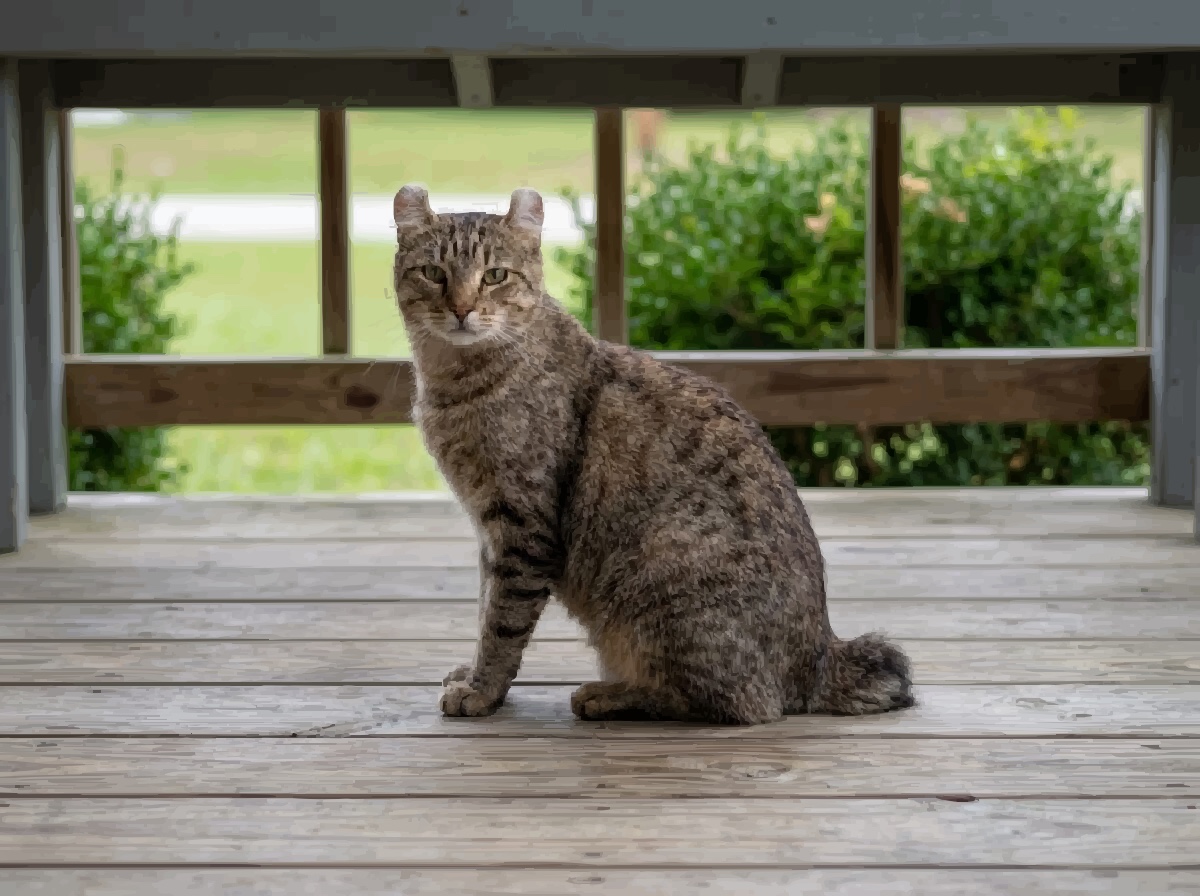
Highlanders are medium to large cats with a long, muscular body, a broad muzzle, and a strong, sloping head. Their ears curl loosely backward at the tips, and the tail is naturally short, usually somewhere between a stub and about hip length. Extra toes, or polydactyly, are allowed and fairly common in the breed. The coat may be short or medium-long, and it comes in many colors, with tabby and spotted patterns especially common. Shorthaired cats need only a weekly brushing, while longer coats benefit from a bit more combing to prevent tangles.
Despite the rugged look, Highlanders are often described as playful, outgoing and affectionate, with a strong interest in toys, water and interactive games. Many like to follow their people from room to room. They tend to do well with active families, respectful children and friendly dogs or cats, and they can live in apartments if given plenty of play and climbing space. The curled ears should be checked and cleaned gently now and then. No major breed-specific diseases are well documented, but the breed is new and records are limited. Highlanders are rare in the United States and unlikely to show up in a shelter, though curl-eared or bob-tailed mixes occasionally do.